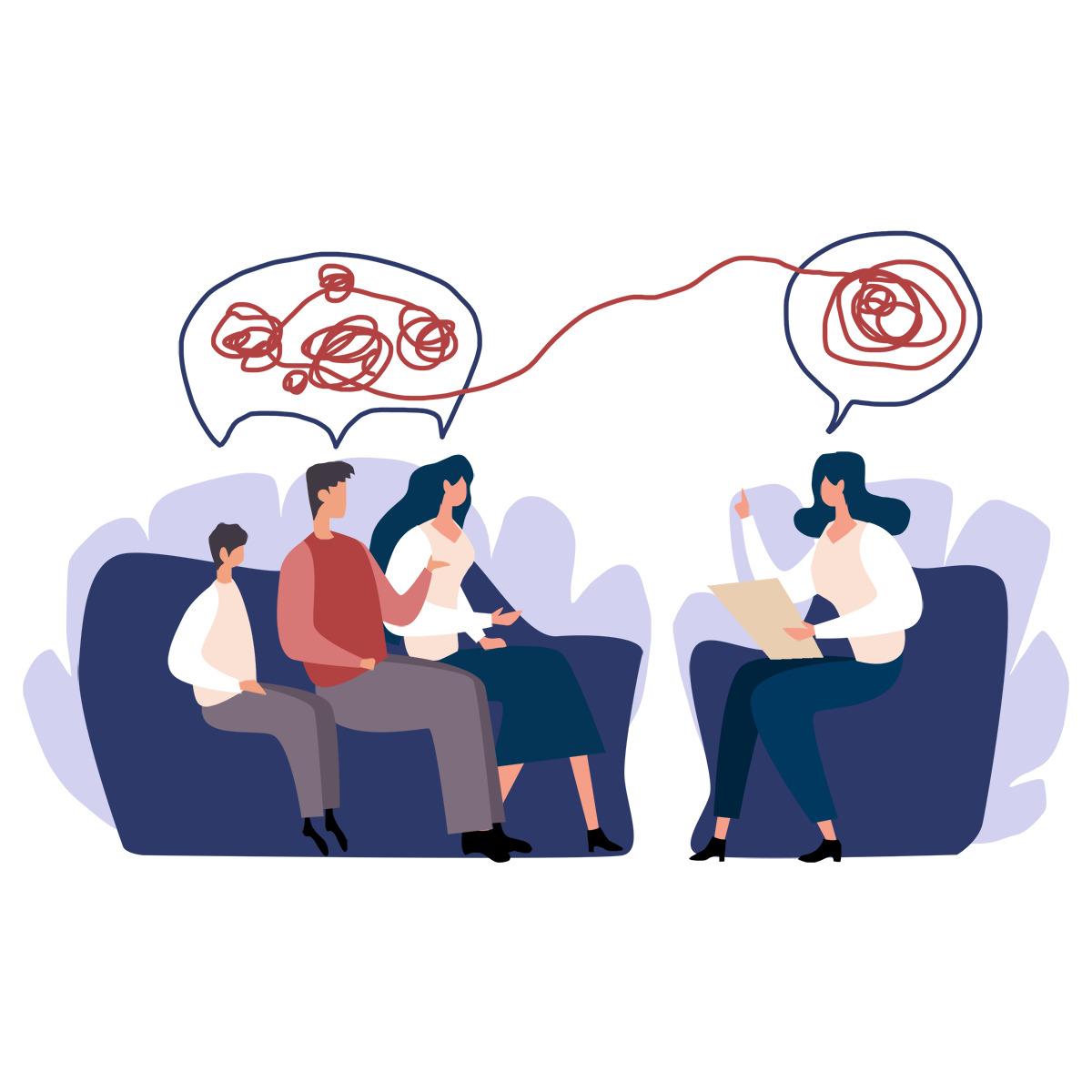
Mental health is an essential part of people’s lives and society. Poor mental health affects our well-being, our ability to work, and our relationships with friends, family, and community. Hundreds of millions suffer from them yearly, and many more do over their lifetimes. It’s estimated that 1 in 3 women and 1 in 5 men will experience major depression in their lives.
Mental health is a state of mental well-being that enables people to cope with the stresses of life, realize abilities, learn and work well, and contribute to their community. It has intrinsic and instrumental value and is integral to our well-being. It is an integral component of health and well-being that underpins our individual and collective abilities to make decisions, build relationships and shape the world we live in. Mental health is a basic human right. And it is crucial to personal, community and socio-economic development.
Mental health is more than the absence of mental disorders. It exists on a complex continuum, which is experienced differently from one person to the next, with varying degrees of difficulty and distress and potentially very different social and clinical outcomes. Stress, depression, and anxiety can affect mental health and may disrupt a person’s routine.
At any one time, a diverse set of individual, family, community and structural factors may combine to protect or undermine mental health. Although most people are resilient, people who are exposed to adverse circumstances – including poverty, violence, disability, and inequality – are at higher risk of developing a mental health condition.
Determinants of mental health
Throughout our lives, multiple individual, social and structural determinants may combine to protect or undermine our mental health continuum. Individual psychological and biological factors such as emotional skills, substance use and genetics can make people more vulnerable to mental health problems.
Exposure to unfavourable social, economic, geopolitical and environmental circumstances – including poverty, violence, inequality and environmental deprivation – also increases people’s risk of experiencing mental health conditions.
Risks can manifest themselves at all stages of life, but those that occur during developmentally sensitive periods, especially early childhood, are particularly detrimental. For example, harsh parenting and physical punishment is known to undermine child health and bullying is a leading risk factor for mental health conditions.
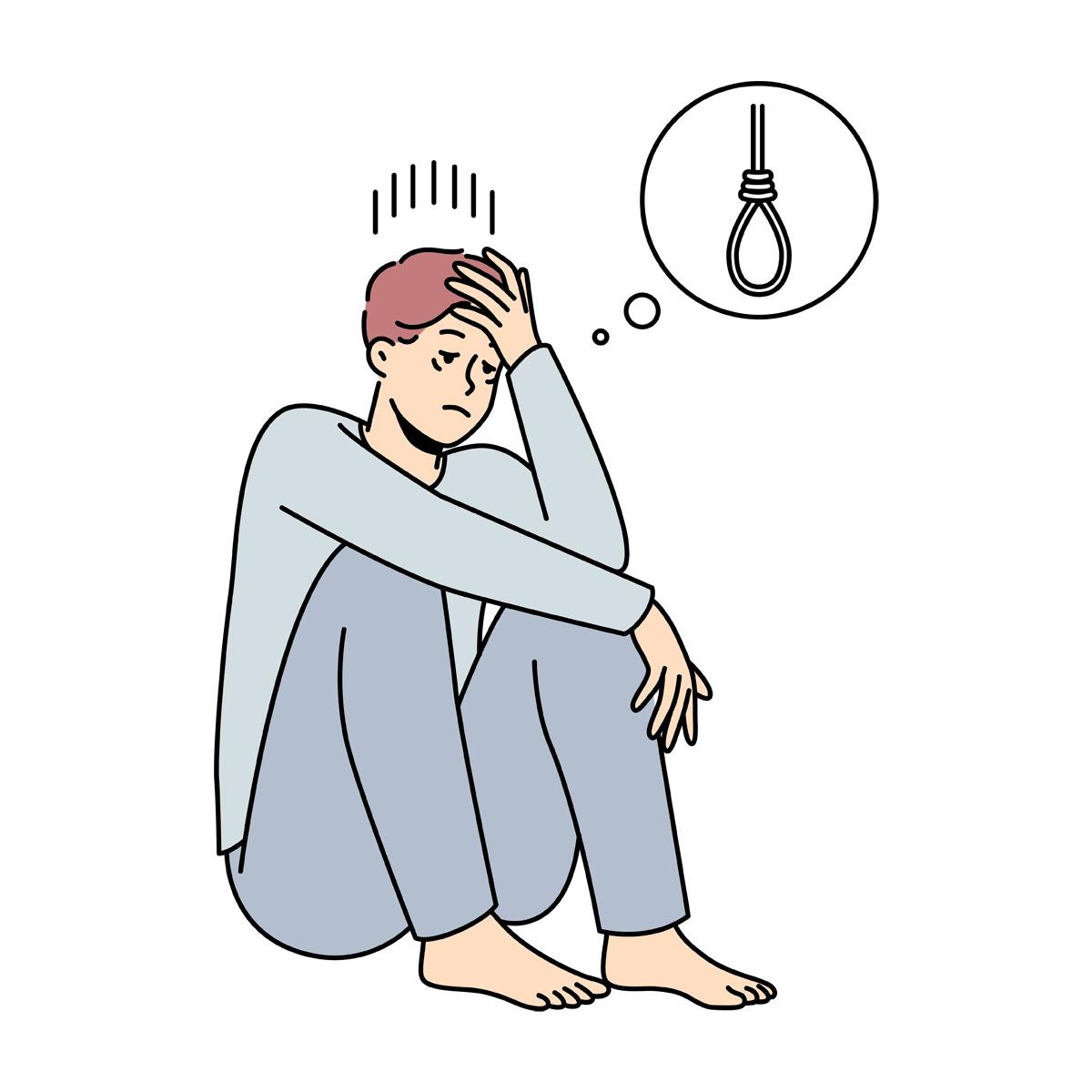
Depression
Depressive disorder (also known as depression) is a common mental disorder. It involves a depressed mood or loss of pleasure or interest in activities for long periods of time. Depression is different from regular mood changes and feelings about everyday life. It can affect all aspects of life, including relationships with family, friends and community. It can result from or lead to problems at school and at work. An estimated 3.8% of the population experience depression, including 5% of adults (4% among men and 6% among women), and 5.7% of adults older than 60 years. Approximately 280 million people in the world have depression. Depression is about 50% more common among women than among men. Worldwide, more than 10% of pregnant women and women who have just given birth experience depression. More than 700 000 people die due to suicide every year. Suicide is the fourth leading cause of death in 15–29-year-olds.
Bipolar disorder, formerly called manic depression, is a mental health condition that causes extreme mood swings. These include emotional highs, also known as mania or hypomania, and lows, also known as depression. Hypomania is less extreme than mania.
When become depressed, the patients may feel sad or hopeless and lose interest or pleasure in most activities. When the mood shifts to mania or hypomania, the patients may feel very excited and happy (euphoric), full of energy or unusually irritable. These mood swings can affect sleep, energy, activity, judgement, behavior, and the ability to think clearly.
Episodes of mood swings from depression to mania may occur rarely or multiple times a year. Each bout usually lasts several days. Between episodes, some people have long periods of emotional stability. Others may frequently have mood swings from depression to mania or both depression and mania at the same time.
Signs and symptoms of manic episodes
Some people with bipolar disorder will have episodes of mania or hypomania many times throughout their life; others may experience them only rarely. Signs and symptoms of a maniac episode include:
Most of the time, people experiencing a manic episode are unaware of the negative consequences of their actions. With bipolar disorder, suicide is an ever-present danger — some people become suicidal in manic episodes, not just depressive episodes.
The symptoms of depressive episodes in bipolar disorder are the same as those of major depression. They include:
Management and Treatment Bipolar Disease
Treatment can help many people, including those with the most severe forms of bipolar disorder. An effective treatment plan usually includes a combination of the following therapies:
Bipolar disorder is a lifelong condition, so treatment is a lifelong commitment. It can sometimes take several months to years before you and your healthcare provider find a comprehensive treatment plan that works best for you. Although this can be discouraging, it’s important to continue treatment.
Episodes of mania and depression typically come back over time. Between episodes, many people with bipolar disorder don’t have mood changes, but some people may have lingering symptoms. Long-term, continuous treatment can help manage these symptoms.
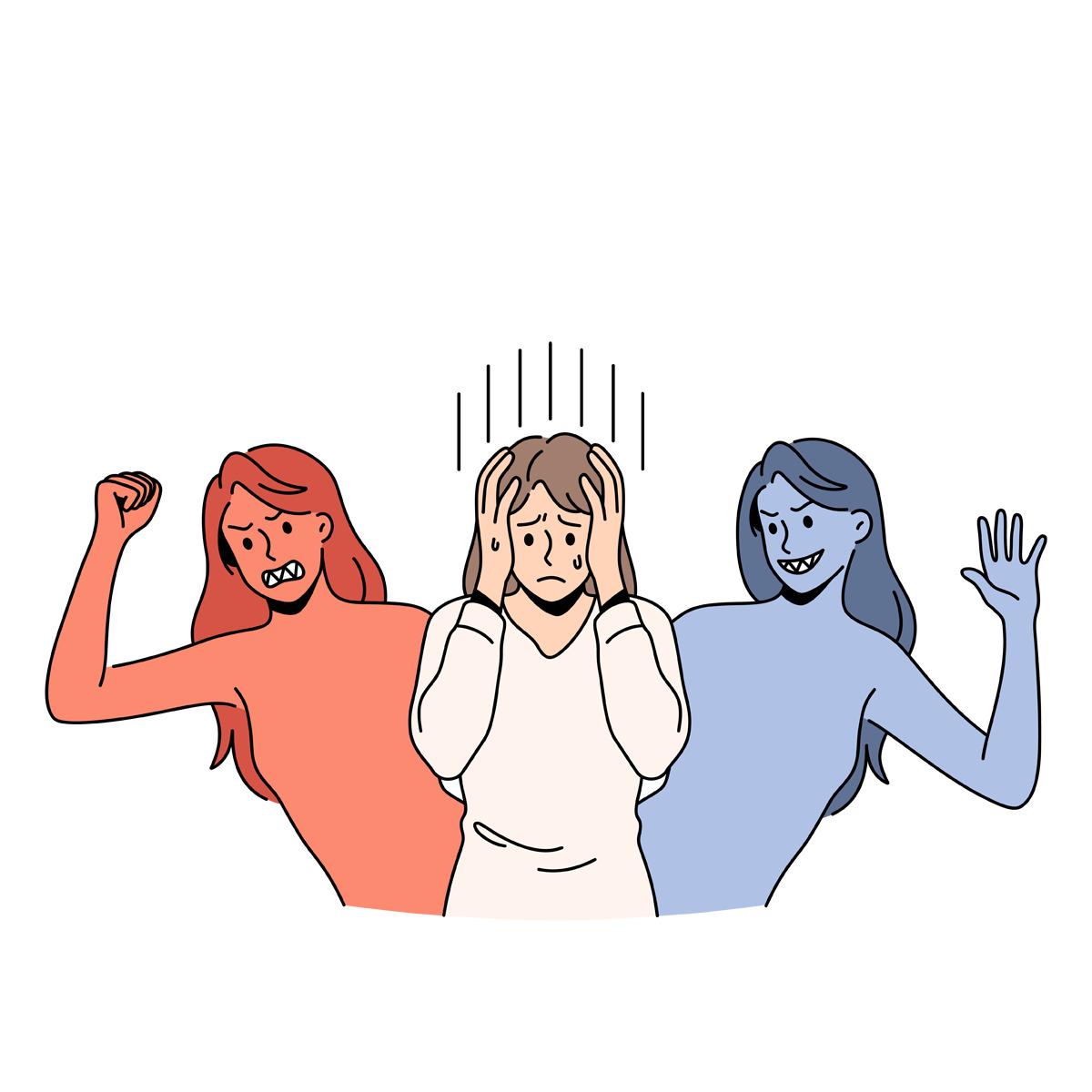
Schizophrenia affects approximately 24 million people or 1 in 300 people (0.32%) worldwide. This rate is 1 in 222 people (0.45%) among adults. It is not as common as many other mental disorders. Onset is most often during late adolescence and the twenties, and onset tends to happen earlier among men than among women.
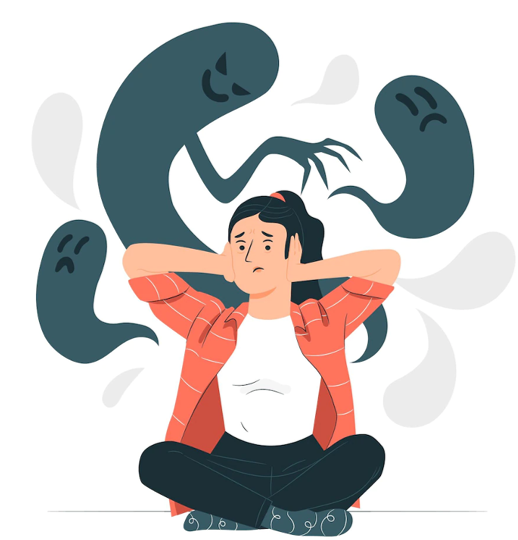
Schizophrenia is a serious mental health condition that affects how people think, feel and behave. It may result in a mix of hallucinations, delusions, and disorganized thinking and behavior. Hallucinations involve seeing things or hearing voices that aren't observed by others. Delusions involve firm beliefs about things that are not true. People with schizophrenia can seem to lose touch with reality, which can make daily living very hard.
Signs and Symptoms
Many people with schizophrenia can’t recognize that they have symptoms of schizophrenia. Schizophrenia involves a range of problems in how people think, feel, and behave. Symptoms may include:
1. Delusions
These are false beliefs that hold even when there’s plenty of evidence that those beliefs are wrong. For example, you might think that someone is controlling what you think, say or do.
2. Hallucinations
You still think you can see, hear, smell, touch or taste things that don’t exist; like hearing voices.
3. Disorganized or incoherent speaking
You may have trouble organizing your thoughts while speaking. This might look like trouble staying on topic, or your thoughts might be so jumbled that people can’t understand you.
4. Disorganized or unusual movements
You might move differently than people around you expect. For example, you may turn around a lot for no clear reason, or you might not move much at all.
5. Negative symptoms
These refer to a reduction or loss of your ability to do things as expected. For example, you might stop making facial expressions, or speak with a flat, emotionless voice. Negative symptoms also include a lack of motivation, especially when you don’t want to socialize or do things you ordinarily enjoy.
Symptoms can vary in type and how severe they are. At times, symptoms may get better or worse. Some symptoms may be present at all times.
Promotion and prevention intervention work by identifying the individual, social and structural determinants of mental health, and then intervening to reduce risks, build resilience and establish supportive environment for mental health. Interventions can be designed for individuals, specific groups or whole populations.
Reshaping the determinants of mental health often requires action beyond the health sector and so promotion and prevention programs should involve the education, labour, justice, transport, environment, housing, and welfare sectors. The health sector can contribute significantly by embedding promotion and prevention efforts within health services; and by advocating, initiating and, where appropriate, facilitating multisectoral collaboration and coordination.
Promoting child and adolescent mental health is another priority and can be achieved by policies and laws that promote and protect mental health, supporting caregivers to provide nurturing care, implementing school-based programs and improving the quality of community and online environments. School-based social and emotional learning programs are among the most effective promotion strategies for countries at all income levels.
Promoting and protecting mental health at work is a growing area of interest and can be supported through legislation and regulation, organizational strategies, manager training and interventions for workers.
PT. SIMEX PHARMACEUTICAL INDONESIA as one of the pharmaceutical companies in Indonesia presents ARZOLA® CAIRAN ORAL contain Aripiprazole and the 1st “me too” product in Indonesia. Aripiprazole is an atypical antipsychotic drug that has been recently introduced for clinical use in the treatment of schizophrenia and bipolar disease. Aripiprazole is well tolerated in children, teenager, and adult because the easy-to-use dosage form of the drug.
Reference:
https://ourworldindata.org/mental-health
https://www.medicalnewstoday.com/articles/154543
https://www.who.int/health-topics/mental-health#tab=tab_1
https://www.mayoclinic.org/diseases-conditions/bipolar-disorder/symptoms-causes/syc-20355955
https://www.ncbi.nlm.nih.gov/books/NBK558998/
Oliva V., Fico G., Prisco MD., et.al. Bipolar disorders: an update on critical aspects. The Lancet Regional Health – Europe 2025;48: 101135
https://www.who.int/news-room/fact-sheets/detail/depression
https://www.ncbi.nlm.nih.gov/books/NBK430847/
https://my.clevelandclinic.org/health/diseases/9294-bipolar-disorder#symptoms-and-causes
https://www.nimh.nih.gov/health/topics/schizophrenia
https://www.who.int/news-room/fact-sheets/detail/schizophrenia
https://my.clevelandclinic.org/health/diseases/4568-schizophrenia
Davies MA., Sheffler DJ., Roth BL. 2004. Aripiprazole: A Novel Atypical Antipsychotic Drug With a Uniquely Robust Pharmacology. CNS Drug Review Vol.10, No.4, pp. 317-336