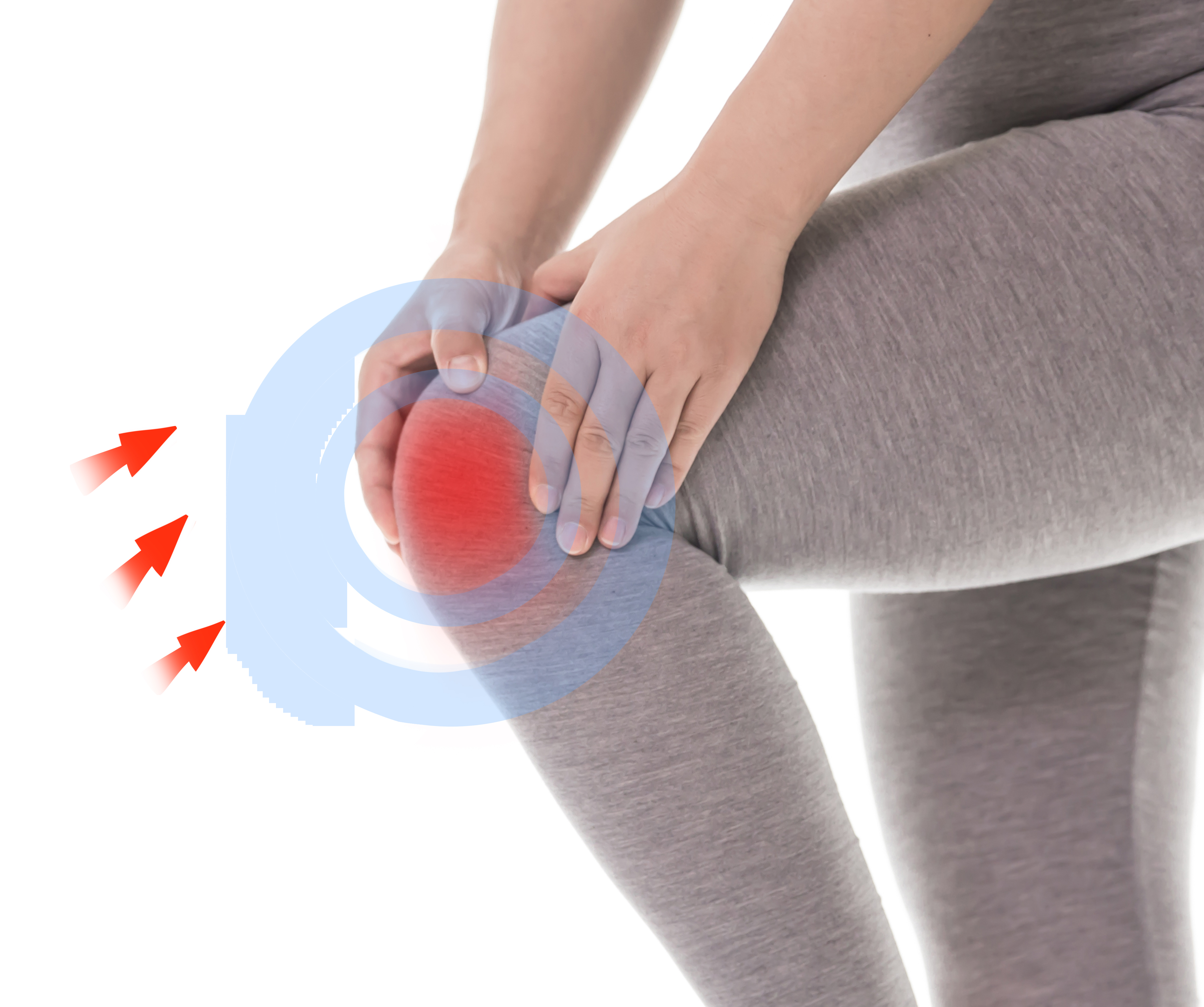
Osteoarthritis (OA) is not only a disease, but also a compilation of pathology of cartilage loss, bone spur formation, and bone remodeling. It is one of the most common problems in the musculoskeletal system affecting 32,5 million people. Globally, OA has shown a 113,25% prevalence increases from 247,51 million cases in 1990 to 527,81 million cases in 2019.
OA is a leading cause of joint pain, swelling, and stiffness that causes individual quality of life deterioration. All joints can be affected by OA, but the most prevalent joint affected is the knee, as it is a weight-bearing joint. In 2020, the global prevalence of knee OA was 16% (95%CI: 14.3–17.8%). Although OA used to be considered a degenerative wear and tear disease, recently, it has been recognized that cases of OA in younger people are rising. The cause of OA affecting younger people is related to OA pathophysiology, which is believed to have a multifactorial origin with both mechanical and inflammation interplay in developing OA, replacing the theory that OA is only caused by mechanical injury.
OA cases have more than doubled from 1990 to 2019 in Indonesia. The incidence of OA and especially OA of the knee was higher in 2019 than in 1990, with slightly higher growth of incidence in knee OA. Age-standardized incidence rate and prevalence rate showed higher OA rate in females than in males, signaling other possible factors interplaying in the development of OA than just degenerative, such as inflammation and the smaller dimension of the knee in females. The prevalence of OA diagnosed based on radiographic images was 12,7% in women and 15,5% in men in 2006.
Definition Osteoarthritis
Osteoarthritis (OA) is a chronic, progressive degenerative whole joint disease that affects the articular cartilage, subchondral bone, ligaments, capsule, and the synovium. OA was earlier considered as a wear and tear mechanical disease that causes cartilage degeneration; however, it is now understood that the cross-talk between various joint structures and local inflammation is a central aspect for the underlying pathophysiology.
Post-traumatic OA (PTOA) is a subtye of OA that occurs secondary to traumatic joint insults such as fractures or injury to the soft tissues, such as chondral surfaces, ligaments, tendons, and menisci or even surgical intervention to the joint. PTOA accounts for approximately 12% of all cases of symptomatic OA. While it can potentially affect any injured joint, it is most prevalent in the ankle and knee, PTOA accounts for up to 78%, 10%, 8%, and 2% of all ankle, knee, shoulder, and hip OA cases, respectively.
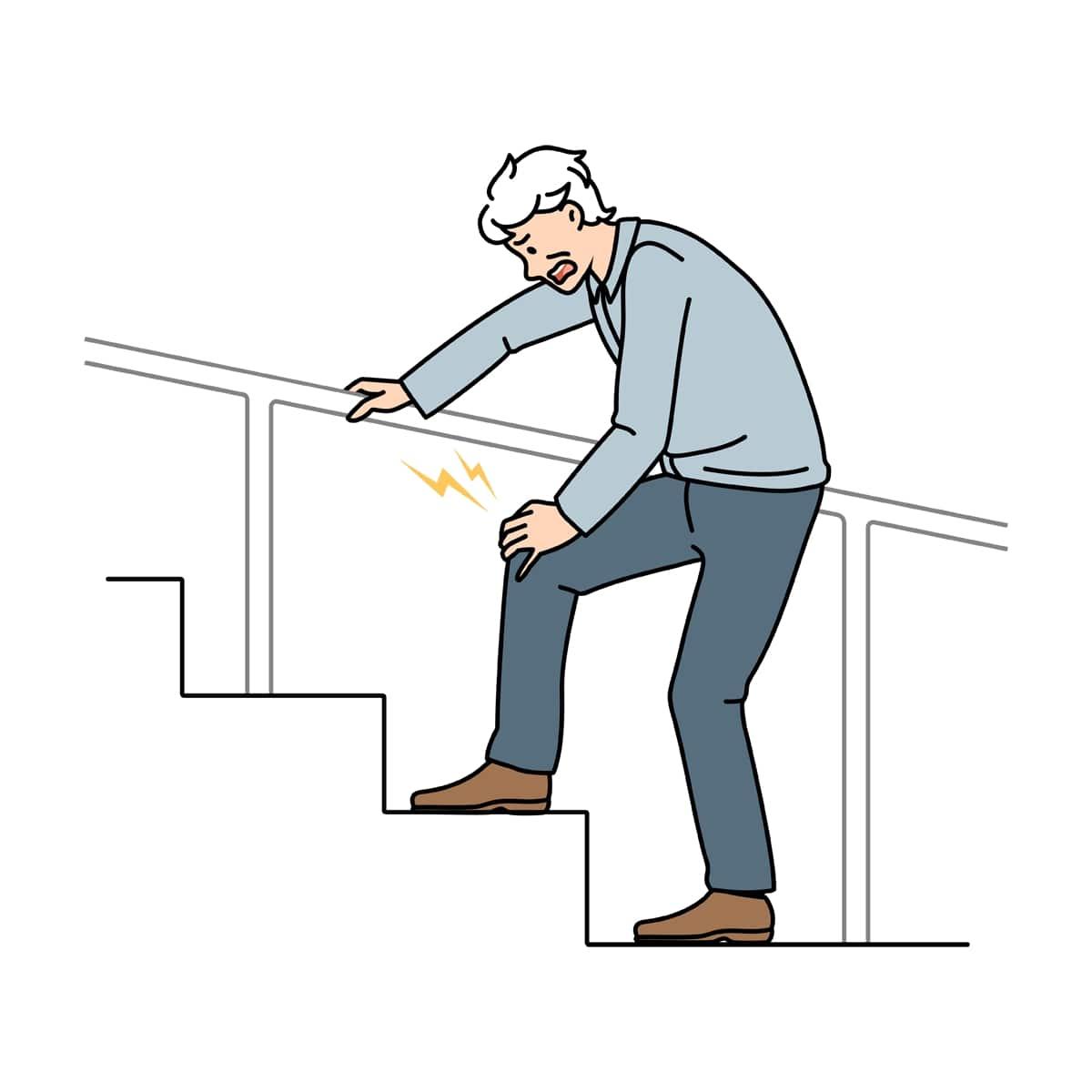
The risk factors for OA can be divided into individual susceptibility features (increasing age, obesity, female sex, joint biomechanics, genetic factors) and factors that alter the biomechanical stability of joints (injury, repetitive joint use through occupation or leisure, and joint malalignment).
1. Individual Risk Factors
The increasing incidence of OA with OA with age can be related to cumulative exposure to various risk and age-related biological changes in the joint structures. Female sex and obesity have been strongly correlated with knee OA. Female sex and obesity are less represented risk factors for hip OA, but cam deformity or acetabular dysplasia have been found to moderately-to-strongly increase OA risk. Adults older than 55 and people who are in postmenopause are more likely to develop osteoarthritis.
2. Genetics
The contribution of genetics in OA is estimated to be between 40% and 80%, with a stronger genetic contribution in hand and hip OA than knee OA. Rare mutations in monogenetic disorders associated with OA can result in early-onset OA. In contrast, late-onset OA is often characterized by a multifactorial clinical picture composed of common DNA variants and other risk factors.
3. Joint Related Factors
Heavy work activities are risk factors for both hip and knee OA; employment in farming or the construction industry is especially associated with hip OA, and work that involves frequent kneeling and heavy lifting associated with knee OA. Increased risk of OA has been found among athletes active in different sports. Several high-impact sports (e.g., football, handball, hockey, wrestling, weight-lifting, and long-distance running) have been reported as moderately to strongly associated with an
increased risk of hip or knee OA, often with a dose-response dependency. For knee OA, the increased risk with sport is partly because of knee injuries; for hip OA, the risk might be associated with cam impingement, which can develop during sporting activities in adolescents.
Osteoarthritis has long been considered as being the result of age or trauma. This concept has evolved, and it is now accepted that the etiology of OA is multiple and includes various mechanical, biochemical, and genetic factors.
Osteoarthritis happens when the cartilage that cushions the ends of bones in the joints gradually wears away. Cartilage is a firm, slippery tissue that allows nearly frictionless joint motion. Eventually, if the cartilage wears down completely, bone will rub on bone. Osteoarthritis doesn't only affect the cartilage. It also affects the entire joint. It causes changes in the bone and weakens the strong bands of tissue that hold the joint together and attach muscle to bone. It also may cause swelling of the joint lining.
The progression of this disease is generally divided into three broad stages. Stage I is the proteolytic breakdown of cartilage matrix. In stage II, we have fibrillation and erosion of cartilage surface, which is accompanied by the release of breakdown products into the synovial fluid. During stage III, synovial inflammation begins when synovial cells ingest a breakdown product through phagocytosis and produce proteases and proinflammatory cytokines.
Anything that directly damages your joints can also cause osteoarthritis, including:
- Sport injuries
- Falls
- Car accidents
- Health conditions that affect your joints, like Ehlers-Danlos syndrome or joint hypermobility syndrome
Type of osteoarthritis
1. Primary osteoarthritis is the most common form of osteoarthritis that develops in your joints over time. Experts think it’s usually caused by normal wear and tear using the joints throughout life.
2. Secondary osteoarthritis happens when something directly damages one of the joints enough to cause osteoarthritis. Injuries and traumas are common causes of secondary. Other types of arthritis can damage the cartilage in your joints enough to cause osteoarthritis.
Symptoms
Osteoarthritis symptoms often develop slowly and worsen over time. Symptoms of osteoarthritis include:
The best way to prevent osteoarthritis is to maintain good overall health, including:
How is osteoarthritis treated?
Healthcare provider will help find treatments that relieve osteoarthritis symptoms. The most common treatments for osteoarthritis include:
PT. SIMEX PHARMACEUTICAL INDONESIA as one of the pharmaceutical companies in Indonesia presents HC-2® contain UC-II, MSM, Vitamin D3, and Hyaluronic acid. HC-2® is the only one joint supplement in Indonesia that combined UC-II and hyaluronic acid together in Indonesia. All the ingredients will work in harmony. The respective functions of those ingredients: UC-II is to help repair cartilage, MSM as pain reliever, vitamin D3 is for improving bone strength, and hyaluronic is for synovial fluid repair.
REFERENCE
Butarbutar JCP., Basuki P., Sungono V., et.al. 2024. Burden of osteoarthritis in Indonesia: A Global Burden of Disease (GBD) study 2019. Narra J 2024; 4 (2): e884
Salman LA., Ahmed G., Dakin SG., et.al. 2023. Osteoarthritis: a narrative review of molecular approaches to disease management. Arthritis Research & Therapy (2023) 25:27.
Coaccioli S., Sarzini-Puttini P., Zis P., et.al. 2022. Osteoarthritis: A New Insight on Its Pathophysiology. J Clin Med 2022, 11, 6013.
Martel-Pelletier J. 2004. Pathophysiology of osteoarthritis. OsteoArthritis and Cartilage (2004) 12, S31–S33
https://www.mayoclinic.org/diseases-conditions/osteoarthritis/symptoms-causes/syc-20351925
https://my.clevelandclinic.org/health/diseases/5599-osteoarthritis
.jpg)