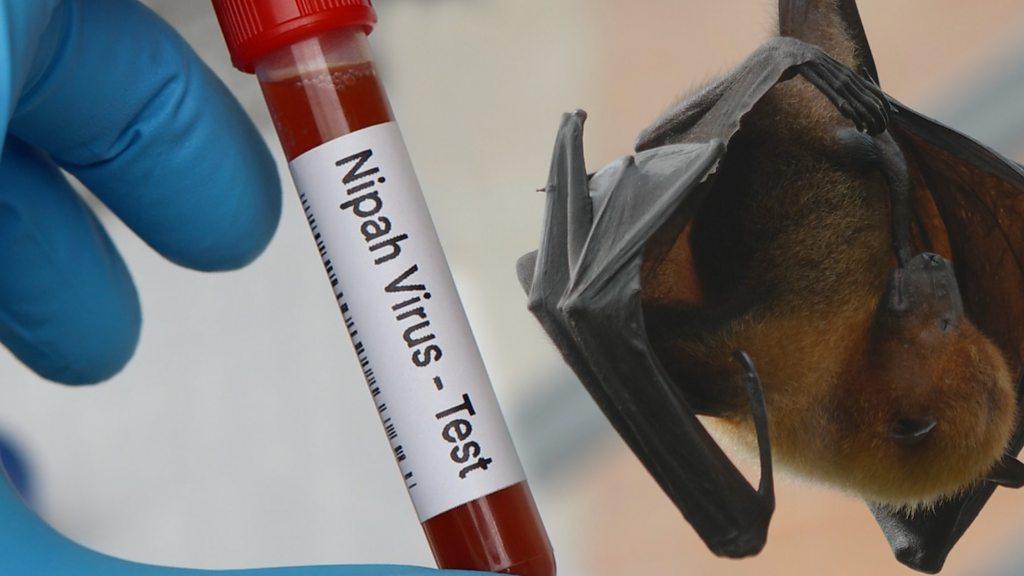
Airports across Asia have been put on high alert after India confirmed two cases of the deadly Nipah virus in the state of West Bengal over the past month. Thailand, Nepal and Vietnam are among the countries screening airport arrivals over fears of a wider outbreak of the virus, which can spread from animals to humans and has a high fatality rate. Two cases have been confirmed in West Bengal since December, reportedly in healthcare workers. Some 196 people who were in contact with them have been traced and tested negative for the virus, India's health ministry says. The virus can spread from animals to humans. It has a high death range, ranging from 40% to 75%, as there is no vaccine or medicine to treat it.
Nipah virus (NiV) is an emerging bat-borne pathogen. It was first identified 20 years ago in Malaysia and has since caused outbreaks in other parts of South and Southeast Asia. It causes severe neurological and respiratory disease which is highly lethal. It is highly infectious and spreads in the community through infected animals or other infected people.
The World Health Organization has described Nipah in its top ten priority diseases, along with pathogens like COVID-19 and Zika, because of its potential to trigger an epidemic. The incubation period ranges from 4 to 14 days. Initial symptoms may include fever, headaches, muscle pain, vomiting and sore throat. In some people, these may be followed by drowsiness, altered consciousness, and pneumonia. Encephalitis, a sometimes-fatal condition that causes inflammation of the brain, may occur in severe cases.
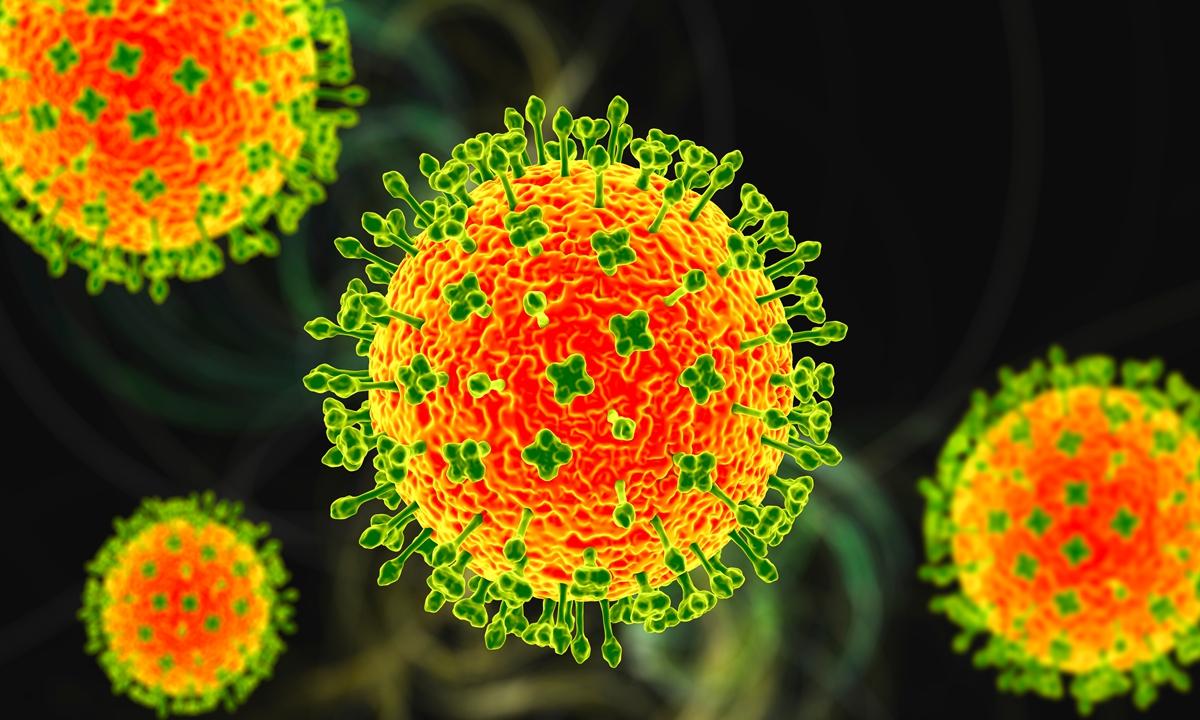
Nipah virus (NiV) is an RNA virus belonging to family Paramyxoviridae. It belongs to the genus Henipavirus which contains Hendra virus (HeV) and Cedar virus. Bats are the natural reservoir of Henipaviruses.
Nipah virus was first identified in 1998 during an outbreak among pig farmers in Malaysia. In 1999, an outbreak was reported in Singapore following the importation of sick pigs from Malaysia. No new outbreak has been reported from Malaysia or Singapore since 1999. In 2001, Nipah virus infection outbreaks were detected in India and Bangladesh. In Bangladesh, outbreaks have been reported almost every year since.
Fruit bats from Pteropodidae family are considered the natural host of Nipah virus and present in different parts of Asia and in Australia. African fruit bats of the genus Eidolon, family Pteropodidae, have been found to have antibodies against Nipah and Hendra viruses, indicating that these viruses might also be present within the geographic distribution of Pteropodidae bats in Africa.
Infection with Nipah virus does not appear to cause disease in fruit bats. Transmission of the virus to humans can occur from direct contact with infected animals like bats, pigs or horses, and by consuming fruits or fruit products, such as raw date palm juice, contaminated by infected fruit bats. The virus can also cause severe disease in farming animals such as pigs.
Nipah virus can also spread between people. It has been reported in health-care setting and among family and caregivers of sick people through close contact. In health facilities, the risk of spread can increase in overcrowded, poorly ventilated hospital environments with inadequate implementation of infection prevention and control measures (such as the use of personal protective equipment, cleaning and disinfection, and hand hygiene).
b. Pathogenesis
The Henipaviruses are the only zoonotic paramyxoviruses. They are also exceptional in their broad host range and high case fatality rates. They have a nonsegmented negative-stranded RNA genome consisting of helical nucleocapsids encased in an envelope forming spherical to filamentous, pleomorphic virus particles. Both HeV and NiV have a significantly larger genome than other paramyxoviruses.
The virus enters its host through the oro-nasal route and causes infection. Since human tissues have only been studied from the terminal stages of the disease, the site of initial replication is unknown. However, high concentrations of antigen found in lymphoid and respiratory tissues indicate these tissues as probable sites of initial replication.

The virus is responsible for causing severe and rapidly progressing illness in humans with the respiratory system as well as the central nervous system mainly getting affected.
The incubation period, that is the time from infection to the onset of symptoms, ranges from 3 to 14 days. In some rare cases incubation of up to 45 days has been reported. Initially, there is a high rise of temperature along with drowsiness and headache. This is followed by mental confusion as well as disorientation, ultimately progressing towards coma within 1-2 days.
Severe disease can occur in any patient but is particularly associated with people presenting with neurological symptoms, with progression to brain swelling (encephalitis) and, frequently, death. Careful supportive care and monitoring during this period is critical.
Most people who survive make a full recovery, but long-term neurologic conditions have been reported in approximately 1 in 5 people who recovered from the disease. A critical complication of the NiV infection is encephalitis. During initial phase, the respiratory problems may become evident. There is development of atypical pneumonia. Coughing along with acute respiratory distress may be evident in certain patients. There may be sore throat, vomiting, along with muscle aches. There may be development of septicemia along with impairment of the renal system and bleeding from the gastrointestinal tract. In severe cases within a period of 24–48 h, there may be development of encephalitis along with seizures that ultimately leads to coma.

Outbreaks of NiV invoke costly emergency responses around the world. Efforts towards prevention have primarily focused the prevention of contamination of date palm sap, increasing awareness about the dangers of consuming date palm sap and prevention of person-to-person spread. The use of skirts to cover the sap producing areas of date palm trees has been found to effectively prevent contact with bats.
Prevention of person-to-person transmission includes the implementation of infection control practices such as isolation of patients, use of personal protective equipment and good hand hygiene practices. Contacts identified through contact tracing are tested and kept under observation until the test negative.
NiV poses a greater threat in regions associated with risk factors and with poor indicators of development (Tekola et al. 2017). With climate change and human encroachment into flying fox habitats, it is likely that outbreaks will occur in new locations (Satterfield 2017).
The National Centre for Disease Control (NCDC) reported that implementation of infection control and precaution at both household and hospital levels helps to limit the NiV disease outbreak. Active surveillance and contact tracing are important along with quarantine of health professionals and people at high risk. Utmost care should be taken in order to avoid direct contact with the persons infected by NiV. Personal protection devices, viz, masks, glasses and gloves, should be used properly. Hydration of the patient is also important.
If you live in or travel to an area where Nipah virus occurs, you should take the following precautions to avoid getting the virus:

The essence of treatment modalities along with effective therapeutics is understood, once there is an outbreak of an infectious disease. There is a need for administering therapeutics to manage the patients during NiV outbreaks and to prevent the mortality. No specific drug has been yet approved for the treatment of this import disease. Limited work has been done to develop therapeutics against NiV infection.
There are no antiviral medications to treat the virus. This means treatment consists of managing your symptoms. This may consist of:
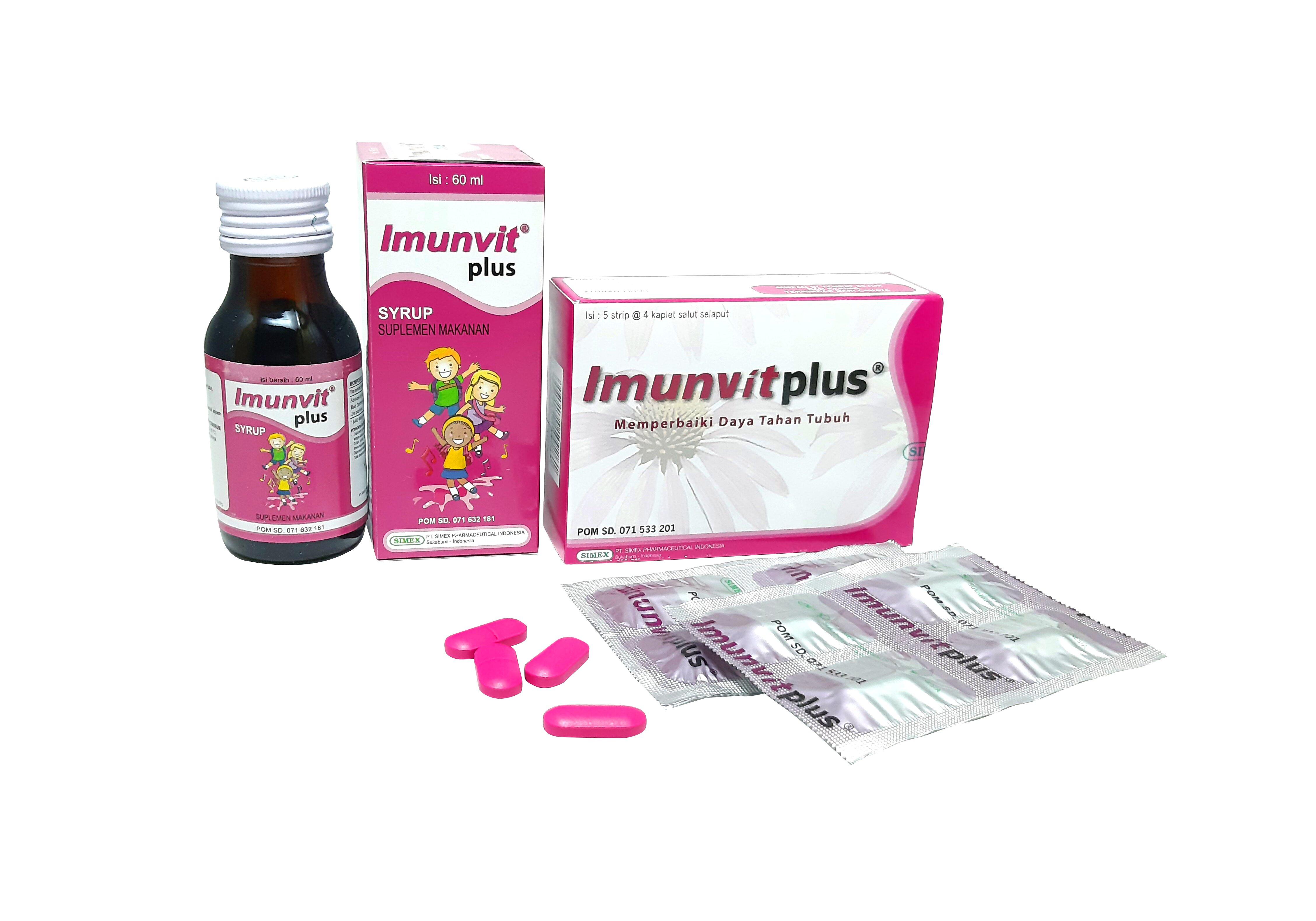
As the saying goes, prevention is better than cure. An easy preventive measure is to strengthen the immune system with supplement so that it is not easily affected by viral infections. IMUNVIT PLUS® is one of the supplements that can help to improve our immune system.
IMUNVIT PLUS® contains Echinacea, Black Elderberry, Zinc picolinate, and Selenium. Echinacea or cone flower is a flowering plant from Asteraceae family. Echinacea purpurea is one of the most widely used species for immunodulator. Based on research by Manayi, et. al. said that Echinacea purpurea has immunodulatory effects by increased activity of the body’s immune system such as neutrophils, macrophages, polymorphonuclear leukocytes (PMN) and Natural Killer cells (NK). Based on research by Dapas, et.al. Echinacea also has anti-inflammatory properties, with down-regulating IL-6 as inflammatory marker.
Based on Wasielica, et.al. Black Elderberry extract also found to alleviate the inflammatory response in activated RAW 264.7 macrophages by down-regulating the expression of pro inflammatory genes (TNF-α, IL-6, COX-2, iNOS) and suppressing the enhanced production of inflammatory mediators (TNF-α, IL-6, PGE2, NO).
Zinc picolinate and Selenium will increase the activity of immunodulator immune system so that is suitable to be used for prevention of disease.
The synergistic working mechanism of the above supplement composition can help improve the immune system.
Reference
Branda F., Ceccarelli G., Giovanetti M., et.al. 2025. Nipah Virus: A Zoonotic Threat Re-Emerging in the Wake of Global Public Health Challenges. Microorganisms 2025, 13, 124.
Aditi., Shariff M. 2018. Nipah virus infection: A review. Epidemiology and Infection 147, e95, 1–6.
Sing RK., Dhama K., Chakraborty S., et.al. 2019. Nipah virus: epidemiology, pathology, immunobiology and advances in diagnosis, vaccine designing and control strategies – a comprehensive review. Veterinary Quarterly 2019, Vol. 39, No. 1, 26-55
Tekola B, Myers L, Lubroth J, Plee L, Calistri P, Pinto J. 2017. International health threats and global early warning and response mechanisms. Rev Sci Tech OIE.. 36(2): 657–670.
Satterfield BA, Cross RW, Fenton KA, Agans KN, Basler CF, Geisbert TW, Mire CE. 2015. The immunomodulating V and W proteins of Nipah virus determine disease course. Nat Commun. 6:7483.
Manayi A., Vazirian M., Seidnia S. 2015. Echinacea purpurea: Pharmacology, phytochemistry and analysis methods. Pharmacognosy Reviews. 2015; 9(17): 63-72
Dapas B., Dall'Acqua S., et.al. 2014. Immunomodulation mediated by a herbal syrup containing a standardized Echinacea root extract: A pilot study in healthy human subjects on cytokine gene expression. Elsevier: Phytomedicine 2014
Wasielica JZ., Olejnik A., et.al. 2019. Elderberry (Sambucus nigra L.) Fruit Extract Alleviates Oxidative Stress, Insulin Resistance, and Inflammation in Hypertrophied 3T3-L1 Adipocytes and Activated RAW 264.7 Macrophages. Foods 2019, 8, 326.
https://www.theguardian.com/science/2026/jan/28/what-is-nipah-virus-outbreak-india-symptoms
https://www.bbc.com/news/articles/cd7zp581q5do
https://www.globaltimes.cn/page/202601/1354171.shtml
https://my.clevelandclinic.org/health/diseases/25085-nipah-virus#management-and-treatment